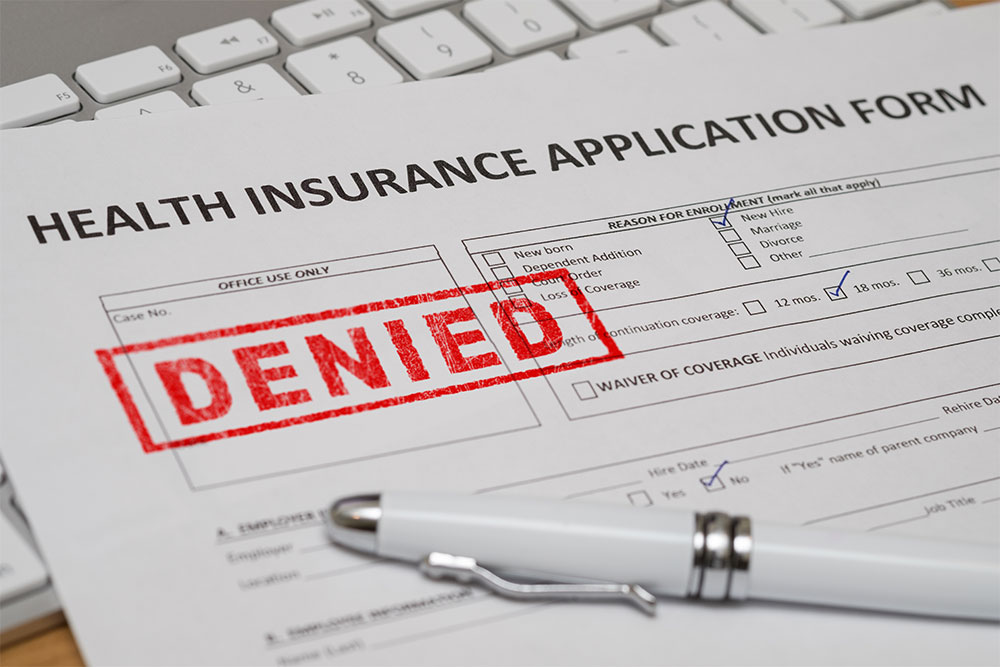
Medical Coding Errors are one of the biggest hidden threats to healthcare revenue. Even small coding mistakes can trigger claim denials, delayed reimbursements, compliance risks, and frustrated providers. For medical practices already dealing with tight margins and complex payer rules, these errors can become extremely costly.
The good news? Most medical coding mistakes are preventable.
In this blog, we’ll break down the top 10 medical coding errors that lead to claim denials—and more importantly, how you can avoid them to protect your revenue cycle and maintain clean claims.
Why Medical Coding Accuracy Matters
Medical coding directly impacts:
- Claim approval rates
- Reimbursement speed
- Compliance with payer guidelines
- Audit risk exposure
- Overall revenue cycle management (RCM)
Accurate coding ensures proper payment for services rendered while minimizing billing compliance risks. On the other hand, repeated coding errors can damage payer relationships and increase audit vulnerability.
Let’s explore the most common issues.
1. Incorrect Patient Information
One of the simplest yet most common medical coding errors is incorrect demographic information.
Examples:
- Misspelled patient name
- Wrong date of birth
- Incorrect insurance ID
- Outdated policy information
Why It’s Dangerous:
Even if the CPT and ICD-10 codes are perfect, a minor demographic mismatch can cause an immediate denial.
How to Avoid It:
- Verify insurance details at every visit
- Use front-desk checklists
- Implement automated eligibility verification tools
2. Upcoding (Overcoding)
Upcoding happens when a higher-level service is billed than what was actually performed.
Why It’s Risky:
- Immediate claim rejection
- Potential audits
- Legal penalties
- Compliance violations
Payers aggressively monitor overbilling patterns.
Prevention Tips:
- Ensure documentation supports code selection
- Conduct regular internal coding audits
- Train coders on Evaluation & Management (E/M) guidelines
3. Undercoding
While upcoding is risky, undercoding is equally harmful—just in a different way.
Impact:
- Revenue loss
- Reduced reimbursement
- Inaccurate performance metrics
Many providers undercode out of fear of audits, but this leads to significant financial leakage over time.
Solution:
- Encourage accurate documentation
- Educate providers about correct E/M level selection
- Perform periodic coding reviews
4. Incorrect or Missing Modifiers
Modifiers provide additional details about procedures. Incorrect or missing modifiers are frequent medical coding errors that result in denials.
Common Problems:
- Missing modifier -25
- Incorrect use of modifier -59
- Using outdated modifiers
Prevention:
- Maintain updated coding manuals
- Conduct modifier-specific training
- Use claim scrubbing software before submission
5. Mismatched Diagnosis and Procedure Codes
Insurance companies require medical necessity justification. If the ICD-10 diagnosis code does not support the CPT procedure code, the claim will likely be denied.
Example:
Billing a high-complexity test with a low-severity diagnosis.
How to Fix It:
- Ensure documentation supports medical necessity
- Train coders to link diagnosis codes correctly
- Use coding software that flags mismatches
6. Duplicate Billing
Submitting the same claim multiple times without proper indication can trigger automatic rejections.
Why It Happens:
- Manual resubmissions without checking status
- System errors
- Poor tracking of claim status
Prevention:
- Track claim submission dates
- Use clearinghouse reports
- Verify claim status before resubmitting
7. Using Outdated Codes
Medical coding guidelines change annually. Using outdated CPT, ICD-10, or HCPCS codes is a serious medical coding error.
Consequences:
- Immediate denial
- Delayed reimbursement
- Compliance red flags
Best Practices:
- Update coding software regularly
- Provide annual training on new code updates
- Monitor CMS coding changes
8. Lack of Proper Documentation
Documentation gaps are a leading cause of coding denials.
Common Issues:
- Missing provider signatures
- Incomplete patient notes
- Insufficient procedure details
If it’s not documented, it didn’t happen.
How to Prevent:
- Implement structured EHR templates
- Conduct documentation improvement programs
- Encourage real-time note completion
9. Failure to Verify Insurance Coverage
Many claim denials occur because services are not covered under the patient’s insurance plan.
Risk Factors:
- Not checking pre-authorization requirements
- Ignoring coverage limitations
- Missing referrals
Prevention Strategy:
- Verify benefits before service delivery
- Confirm prior authorization when required
- Maintain payer-specific coverage guidelines
10. Not Following Payer-Specific Guidelines
Every insurance payer has unique rules. Ignoring these requirements leads to preventable denials.
Examples:
- Filing deadlines (timely filing limits)
- Documentation attachments
- Specific billing formats
Solution:
- Maintain a payer rules database
- Assign payer-specific specialists
- Regularly review denial reports
How Medical Coding Errors Impact Revenue Cycle Management
Medical coding errors do more than cause denials—they disrupt your entire revenue cycle.
Negative Effects:
- Increased accounts receivable days
- Higher administrative workload
- Delayed cash flow
- Increased compliance risk
Positive Outcome of Fixing Them:
- Higher clean claim rate
- Faster reimbursement
- Reduced audit exposure
- Improved financial stability
Clean claims equal predictable revenue.
Proactive Strategies to Reduce Medical Coding Errors
To protect your practice, consider implementing these proactive steps:
1. Conduct Regular Coding Audits
Internal and external audits help detect patterns of medical coding errors before payers do.
2. Invest in Ongoing Training
Coding regulations evolve constantly. Continuous education keeps your team compliant and confident.
3. Use Advanced Claim Scrubbing Tools
Automated systems can catch:
- Modifier issues
- Diagnosis mismatches
- Incomplete data
4. Strengthen Documentation Practices
Accurate documentation reduces guesswork and improves coding precision.
5. Outsource to Professional Medical Coding Services
Experienced coding professionals:
- Stay updated with industry regulations
- Reduce denial rates
- Improve reimbursement accuracy
The Real Cost of Ignoring Medical Coding Errors
Ignoring medical coding errors might seem harmless at first—but over time, the consequences become severe:
- Repeated claim denials
- Increased payer scrutiny
- Legal exposure
- Revenue instability
- Damaged reputation
On the other hand, correcting these errors creates a positive ripple effect across your entire organization.
Conclusion: Protect Your Revenue by Eliminating Medical Coding Errors
Medical coding errors are preventable—but only if you take proactive action. From incorrect modifiers to documentation gaps, even minor mistakes can snowball into serious financial losses.
By implementing regular audits, investing in staff training, leveraging claim scrubbing technology, and ensuring accurate documentation, you can significantly reduce claim denials and protect your revenue stream.
If your practice is struggling with coding denials or revenue leakage, now is the time to act.
Ready to eliminate costly medical coding errors and improve your clean claim rate? Partner with experienced medical coding professionals and safeguard your revenue today.