
How Professional Medical Billing Services Reduce Claim Denials
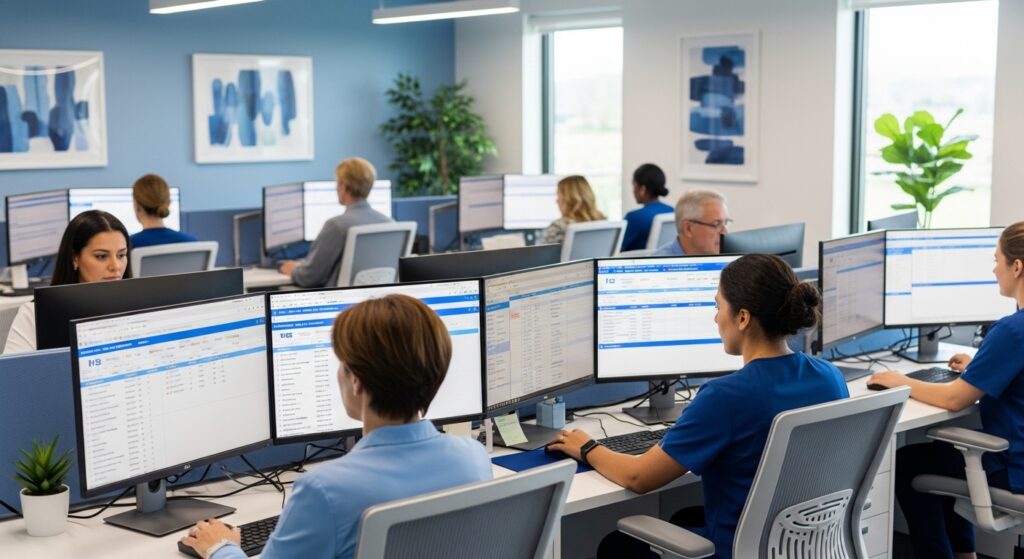
Professional medical billing services play a critical role in reducing claim denials and protecting healthcare revenue. Claim denials are one of the biggest financial drains for providers, delaying payments, increasing administrative workload, and causing long-term cash flow instability. Many practices underestimate how much revenue they lose due to incorrect coding, missing documentation, and payer-specific billing […]
Medicare Billing Challenges and How Medical Billing Services Resolve Them

Medicare billing challenges are one of the most common reasons healthcare providers experience delayed payments, claim denials, and compliance issues. Medicare billing rules are complex, frequently updated, and strictly enforced. Even small errors can result in rejected claims or audit exposure. For many practices, managing Medicare billing internally becomes overwhelming. This is why medical billing […]
Medical Billing Services vs In House Billing: Real Costs, Risks, and Results

Medical billing services vs in house billing is a decision that directly affects a healthcare provider’s revenue, compliance exposure, and operational efficiency. Many practices assume in house billing offers better control, while outsourcing appears expensive or risky. In reality, the numbers, risks, and outcomes often tell a very different story. Understanding the real cost structure, […]
Outsourcing Medical Billing Services Improves Cash Flow and Compliance

Outsourcing medical billing services has become a strategic decision for healthcare providers struggling with delayed payments, claim denials, and increasing regulatory pressure. Managing billing in-house may seem cost-effective at first, but inefficiencies, compliance risks, and staffing challenges often lead to revenue loss. In today’s healthcare environment, consistent cash flow and strict compliance are non-negotiable. Providers […]
When & How to Bill Secondary Insurance Billing for ABA Services
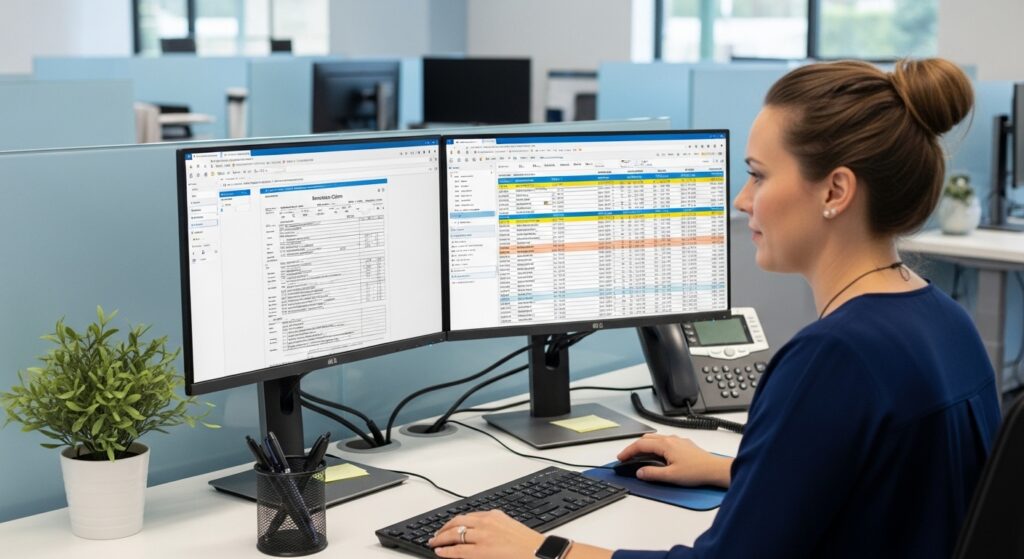
Secondary Insurance Billing for ABA Services is a critical process for ABA providers who work with multiple payers and complex reimbursement structures. Many ABA providers either bill it incorrectly or avoid it entirely, resulting in lost revenue, claim denials, and compliance risk. Secondary insurance billing is not optional when a patient has dual coverage it […]
How to Calculate AR Days in Medical Billing | NAHL

AR Days in Medical Billing measure how long it takes to collect payments from patients and insurers, making it a critical metric for cash flow and revenue cycle management. Accounts Receivable (AR) Days is one of the most critical metrics in medical billing. It tells you how long it takes for a healthcare provider to […]
Revenue Code 0119 for Private Room Billing | NAHL

Revenue Code 0119 is used in hospital billing to report private room and ward accommodations that do not fall under standard semi-private room classifications. Misuse of this code is a common reason for denials, underpayments, and audits, especially in inpatient claims. If you don’t understand when and how to apply Revenue Code 0119 correctly, you […]
Wound Care Reimbursement Guide: What Medicare Pays | NAHL

Wound care reimbursement under Medicare depends on strict medical necessity rules, correct coding, and complete documentation. Many providers assume Medicare automatically pays for wound care services, but reimbursement varies based on wound type, treatment method, site of service, and compliance with Medicare guidelines. This guide explains what Medicare pays for wound care, what it does […]
How to Use Revenue Code 0119 for Private Room Billing | NAHL
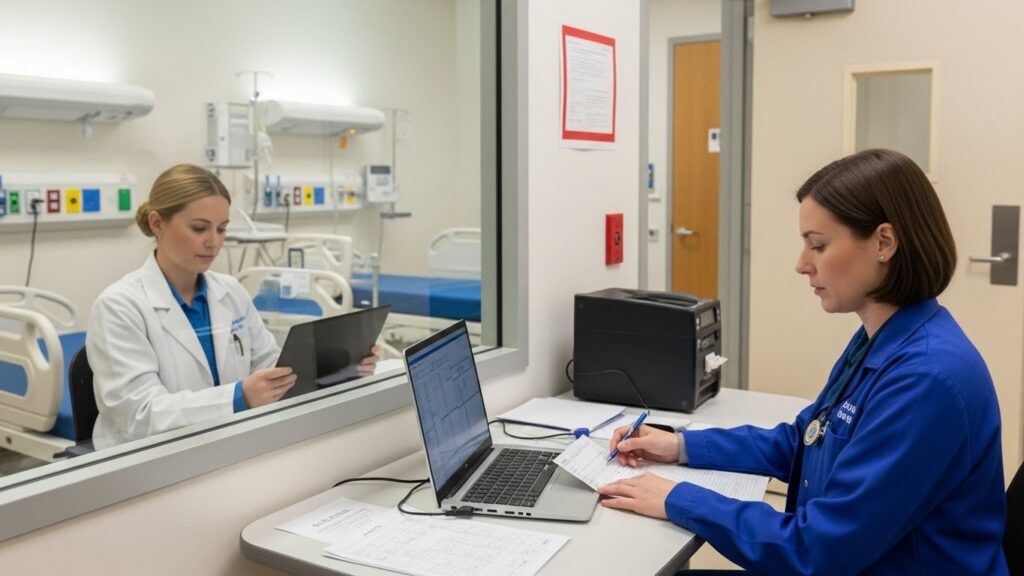
Private room billing is one of the most misunderstood areas of hospital revenue management. Many hospitals assume that if a patient stays in a private room, it can automatically be billed separately. That assumption is wrong and it leads to denials, patient complaints, and compliance risk.Revenue Code 0119 exists specifically to report private room charges, […]
What Is Revenue Code 0250 in Hospital Pharmacy Billing? | NAHL

Hospital pharmacy billing mein revenue codes ka sahi use directly reimbursement aur compliance ko impact karta hai. Revenue Code 0250 ek commonly used pharmacy revenue code hai, lekin isko galat context mein use karna hospitals ke liye underpayment, denials, aur audit risk create karta hai. Bohat si facilities is code ko “safe” samajh kar use […]